Building automation has become increasingly common in both single-family homes and apartment buildings. In addition to controlling heating, cooling, lighting and energy consumption, ventilation plays a key role in a building’s energy efficiency and indoor comfort.
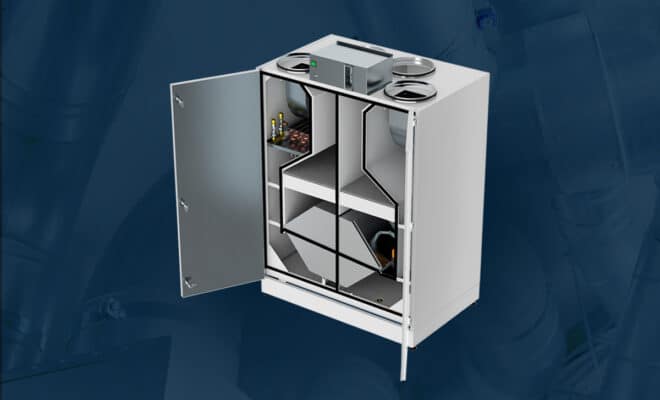
Airfi air handling units are designed to work as part of modern building automation systems. They offer intelligent ventilation control, remote monitoring and flexible integration options for building automation systems. This allows property owners to improve indoor air quality, reduce energy consumption and manage ventilation efficiently through a single interface.
What Are the Benefits of Integrating Ventilation with Building Automation?
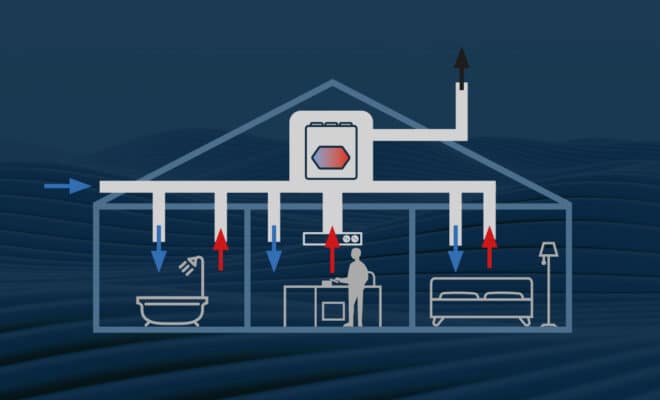
In many buildings, ventilation systems still operate at fixed settings, regardless of actual ventilation demand. An air handling unit integrated with building automation, however, can adapt to building occupancy and indoor air conditions in real time.
“In modern building automation, ventilation should not operate as a standalone system. When ventilation works together with heating, cooling and other building automation systems, both indoor comfort and energy efficiency can be improved. Airfi’s goal is to make integrating ventilation with building automation as seamless as possible. The most important thing is that the systems can communicate with each other and that ventilation adapts to the building’s actual needs,” explains an Airfi Systems Specialist.
Integrated ventilation offers several benefits:
- Improved indoor air quality
- Lower energy consumption
- Reduced operating costs
- Automatic, demand-controlled ventilation
- Predictive maintenance and fault detection
- Centralised monitoring and remote management
By controlling ventilation based on data from CO₂, temperature, motion and humidity sensors, buildings can achieve an optimal balance between energy efficiency and indoor air quality.
Airfi and Smart Home Automation
As smart homes become increasingly popular, ventilation is playing a more important role in home automation. Airfi air handling units can be integrated into energy management and smart home systems in single-family homes.
Away Mode Saves Energy
When residents leave home, ventilation can automatically switch to an energy-saving mode. This reduces energy consumption without compromising indoor air quality over time.
Automatic Ventilation Boost
Activities such as using the sauna, showering, cooking and hosting guests increase the need for ventilation. Airfi can detect these situations based on sensor data and automatically boost ventilation when needed.
Ventilation can also be synchronised with heat pumps and other building services systems, allowing the building’s energy consumption to be optimised even further.
Users can monitor the operation of their air handling unit, view measurement data and adjust settings from anywhere with an internet connection.
In apartment buildings, building automation enables efficient property management. Airfi ventilation solutions support both apartment-specific and centralised ventilation systems.
Airfi Solutions for Apartment Buildings and Housing Companies
Key benefits for housing companies and property managers include:
- Centralised monitoring of multiple air handling units
- Automatic forwarding of maintenance alerts
- Energy efficiency monitoring
- Monitoring of indoor air conditions
- Predictive maintenance
Property maintenance personnel can quickly identify potential issues and carry out necessary maintenance before they affect residents’ comfort.
One of the key strengths of Airfi systems is their open integration architecture. This enables air handling units to be connected to a wide range of automation and monitoring solutions.
Airfi supports a variety of automation solutions, including:
- Modbus RTU
- Modbus TCP
- BACnet systems*
- KNX system*
- HACS (Home Assistant)
- API
- Cloud-based property management solutions
- Energy management and analytics systems
Avoimet rajapinnat mahdollistavat tulevaisuuden laajennukset ilman tarvetta vaihtaa koko järjestelmää.
*Järjestelmä ei ole vakiona Airfi koneissa mutta saatavana lisävarusteena.
Airfi Cloud Makes Ventilation Management More Efficient
Airfi Cloud provides a centralised overview of a building’s ventilation system and indoor air conditions.
The cloud service enables users to:
- Monitor ventilation performance in real time
- Track energy consumption
- Manage multiple properties through a single interface
- Receive maintenance alerts and fault notifications
- Perform remote diagnostics
Dataan perustuva seuranta auttaa tunnistamaan energiansäästömahdollisuudet sekä parantamaan ilmanvaihdon toimintaa jatkuvasti.
Energy-Efficient Ventilation for the Buildings of Tomorrow
Energy efficiency requirements in the construction industry are becoming increasingly strict, while building occupants expect ever better indoor environmental quality. Intelligent ventilation is an essential part of modern, sustainable building design.
Combining Airfi air handling units with building automation enables:
- High-quality indoor air
- Energy-efficient operation
- Automated ventilation control
- Remote monitoring and maintenance
- Compliance with the requirements of future smart buildings
Olipa kyseessä omakotitalo, rivitalo, kerrostalo tai uudisrakennuskohde, Airfi tarjoaa modernin ratkaisun älykkääseen ilmanvaihtoon ja kiinteistöautomaatioon.
FAQ
Can Airfi air handling units be integrated with building automation systems?
Yes. Airfi supports several widely used building automation solutions, including Modbus RTU, Modbus TCP, KNX and BACnet systems.
Are Airfi air handling units suitable for single-family homes?
Yes. Airfi solutions are equally suitable for smart home applications in single-family homes and for larger residential properties.
Can ventilation be monitored remotely?
Yes. Airfi Cloud enables users to monitor ventilation performance, receive alerts and manage settings remotely.
How does intelligent ventilation save energy?
The system adjusts ventilation airflow according to actual demand, preventing unnecessary ventilation and reducing energy consumption.